

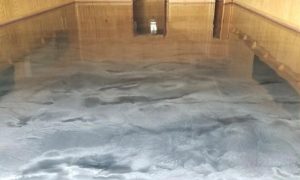
Between forklifts, moving pallets, heavy machinery rolling across the surface, and everyday spills, ordinary concrete faces constant wear and tear and warehouse floors usually take a beating. Over extended periods of time, damage can create maintenance headaches and disrupt daily operations. Choosing the right industrial flooring systems helps protect your concrete and keep your facility working efficiently.
Epoxy flooring is a popular option for demanding environments because it adds a protective layer over prepared concrete. But how does it compare to polished concrete, and which solution makes more sense for your business? Your facility’s traffic, exposure to spills, and maintenance priorities are important factors when deciding on a floor.
How Industrial Epoxy Flooring Handles Heavy Traffic
In busy warehouses and manufacturing facilities, floors need to withstand more than foot traffic. Forklifts, pallet jacks, loaded carts, and heavy equipment place repeated stress on the surface.
A properly selected and installed industrial epoxy floor creates a durable coating designed to resist abrasion and everyday wear. This helps protect the concrete underneath from scratches, impacts, and surface deterioration associated with demanding operations.
However, not every epoxy product offers the same level of performance. The coating system should match the equipment, traffic patterns, and working conditions inside your facility. Check out our commercial concrete tab on our website for a full breakdown of the different kinds of epoxy flooring such as thin mill coating, urethane slurry, and more!
Protection Against Spills and Daily Messes
Bare concrete is porous; certain spills can penetrate the surface and leave stains or damage. Moreover, liquids such as oil, grease, and cleaning solutions sometimes harm the flooring.
Epoxy coatings form a continuous surface that helps limit liquid penetration and makes routine cleanup more manageable. Specific chemical resistance depends on the formulation. Businesses that handle aggressive chemicals should select a system rated for those exposures.
Furthermore, you should also focus on slip resistance. A smooth glossy floor might look clean, but wet conditions can increase slipping risks. Choosing an appropriate finish and maintaining a consistent spill-cleanup routine helps support a safer environment.
Epoxy Flooring vs. Polished Concrete
Both industrial epoxy flooring and polished concrete offer practical benefits, but they work differently. Polished concrete involves mechanically grinding and refining the existing concrete slab. It provides a durable, low-maintenance surface without adding a conventional resin coating. For facilities with suitable concrete and relatively straightforward exposure requirements, it may be a practical choice.
Epoxy flooring adds a separate protective layer. That makes it worth considering when your operation needs additional resistance to abrasion, spills, or specific chemicals. Damaged coatings require repairs or recoating; polished concrete has different maintenance and restoration needs.
Before choosing, consider your slab’s condition, moisture levels, cleaning procedures, equipment traffic, and the substances regularly handled in your facility. Proper surface preparation is especially important for epoxy because moisture or poor adhesion can lead to peeling, bubbling, or coating failure.
Choose the Right Floor Your Operation
In the epoxy flooring versus polished concrete debate, the best option is ultimately the one that suits your building, workflow, and long-term maintenance plan. High Traffic Flooring LTD can help you explore the flooring options that fit your facility’s needs. Rather than letting your floor become another operational headache, take a closer at what your workspace demands.
Ready for your warehouse floor to work smarter? Visit High Traffic Flooring LTD and get in touch to discuss your flooring goals. Turn your concrete floor from an afterthought into a stronger foundation.
Leave a Reply
You must be logged in to post a comment.